Latest
Let’s be honest buying a car in today’s market can feel like watching your savings evaporate overnight. Prices are climbing, dealership markups are real, and even used cars sometimes feel overpriced. But here’s something surprising: thousands of buyers in the UAE are purchasing vehicles for up to 50% less than market value. Sounds unbelievable? It’s not. The secret lies in car auctions specifically trusted platforms like Marhaba Auctions.
The UAE has quietly become one of the most attractive automotive markets in the world. From luxury sedans and powerful SUVs to commercial vehicles and repossessed fleet cars, the inventory is massive. And when cars move fast in a market like Dubai or Sharjah, depreciation hits even faster. That’s where smart buyers step in.
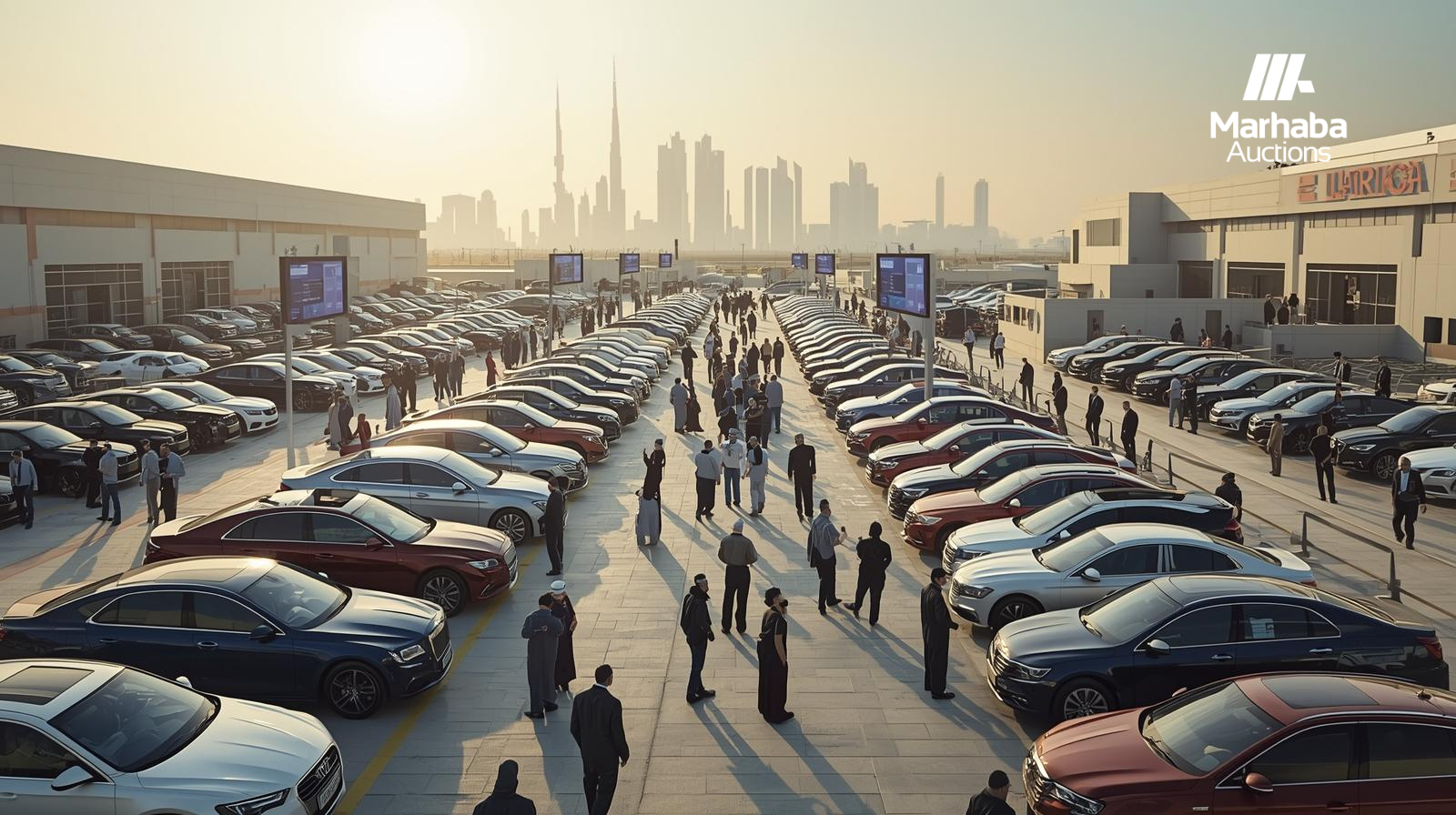
Instead of walking into a showroom and paying full retail price, savvy customers are bidding on vehicles through auction platforms. They cut out the middleman, avoid dealer overhead costs, and gain access to bank repossessions, fleet liquidations, and insurance vehicles at competitive prices.
But how exactly are people managing to buy cars for half the price? Is it safe? Is it complicated? And most importantly—can you do it too?
The answer is yes. And in this guide, you’ll discover exactly how Marhaba Auctions makes it possible, step by step. If you’ve ever wondered whether those “cheap UAE car deals” are real, you’re about to find out.
The Truth Behind “50% Cheaper Cars” in the UAE
When people hear “50% cheaper,” the first reaction is skepticism. Is there a catch? Are these damaged vehicles? Hidden problems? The truth is much simpler than most think.
Cars in the UAE depreciate faster than in many other countries. Why? Because residents often upgrade vehicles frequently. Leasing is common. Luxury vehicles are replaced every few years. And high-end brands like BMW, Mercedes, Nissan Patrol, Toyota Land Cruiser, and Range Rover flood the secondary market quickly.
Now combine that with:
-
Bank repossessions from unpaid loans
-
Fleet vehicles sold in bulk
-
Insurance write-offs
-
Rental car turnover
-
Corporate fleet upgrades
When these vehicles enter auction platforms like Marhaba Auctions, they’re priced to sell quickly. Banks don’t want to store repossessed cars. Fleet companies want space for new inventory. Insurance companies want to recover value fast. That urgency creates opportunity.
Let’s break it down with a simple comparison:
| Vehicle Type | Dealer Price (AED) | Auction Price (AED) | Potential Savings |
|---|---|---|---|
| 2022 SUV | 120,000 | 70,000 | 50,000 |
| Luxury Sedan | 180,000 | 95,000 | 85,000 |
| Pickup Truck | 95,000 | 55,000 | 40,000 |
These aren’t fantasy numbers. They reflect how auctions operate based on bidding demand rather than fixed markups.
Of course, not every car is exactly 50% off. But many vehicles sell significantly below market retail value. And that’s the key difference: auctions reflect real-time buyer demand, not dealer profit margins.
So when you hear people say they bought a car half the price in UAE, they’re not exaggerating. They simply used the right platform like Marhaba Auctions to access vehicles before dealers add their markup.
Why the UAE Car Market Offers Unbeatable Deals
The UAE automotive ecosystem is unique. It’s fast-moving, high-volume, and highly competitive. This environment creates one powerful outcome: opportunity for buyers who know where to look.
Unlike many countries where cars are kept for 8–10 years, UAE residents frequently upgrade within 3–5 years. Luxury vehicles, in particular, lose value rapidly because newer models arrive quickly and demand for the latest tech is strong.
Additionally, the UAE is a global automotive hub. Vehicles are imported and exported constantly. That high flow keeps supply abundant. When supply increases and urgency to sell exists, prices naturally drop.
Another important factor? Fleet culture. Many corporations maintain large fleets of SUVs, sedans, and commercial vans. When contracts end, these vehicles are sold in bulk often through auctions. That bulk selling pushes prices even lower.
Marhaba Auctions taps directly into this ecosystem. Instead of buying from a dealer who has already purchased from an auction and added margin, you buy closer to the source.
It’s like buying wholesale instead of retail.
And in a city like Dubai where automotive inventory is massive that difference can mean tens of thousands of dirhams saved.
The UAE market isn’t cheap by accident. It’s cheap because of volume, turnover, and competition. When you understand that system, you stop overpaying and start bidding smart.